Currently Empty: 0.00
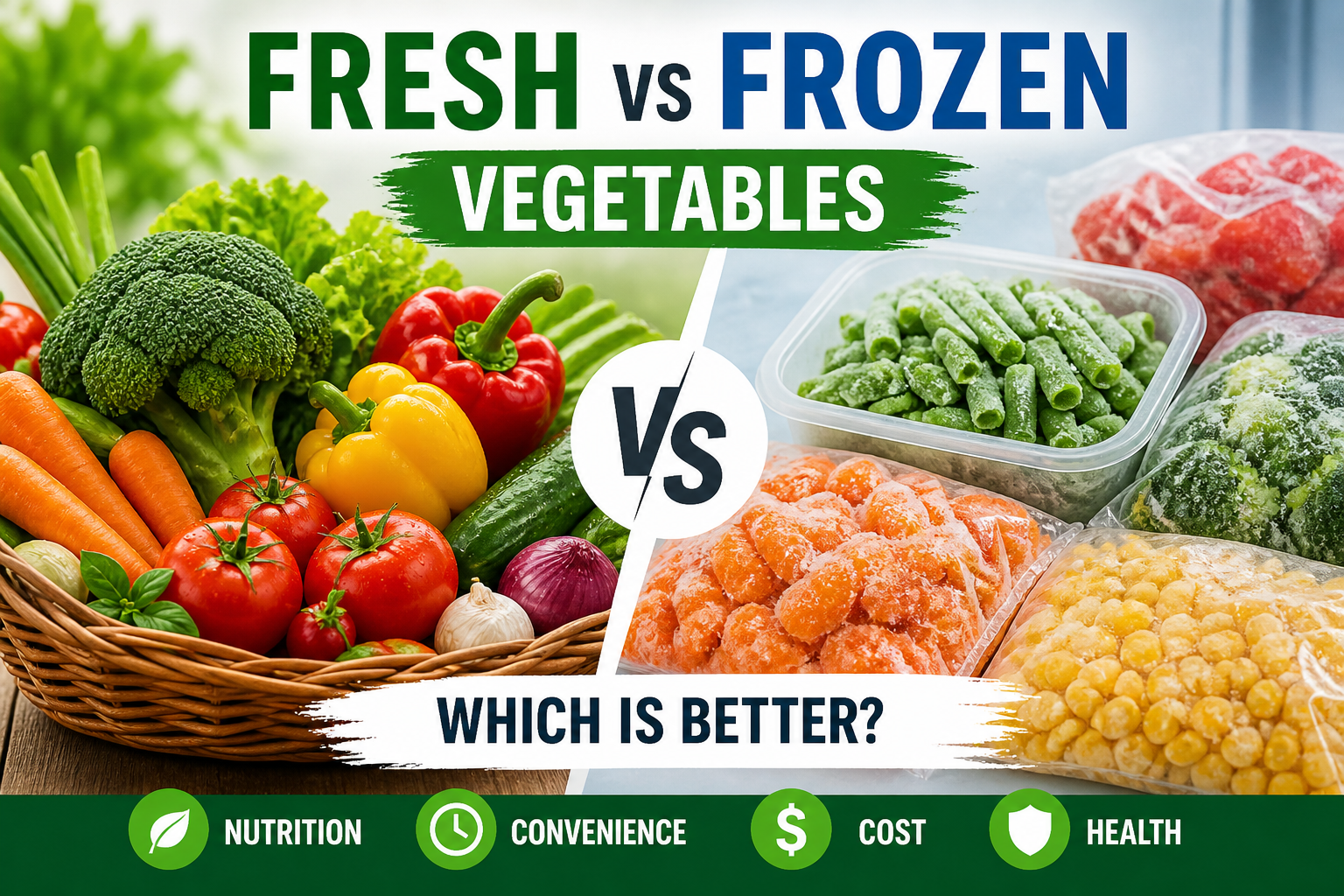
Fresh vs Frozen Vegetables – Which is Better?
When comparing fresh vs frozen vegetables, many people assume fresh is always the healthiest choice. In reality, both fresh and frozen vegetables provide essential nutrients and can support a balanced diet depending on your lifestyle and cooking habits.
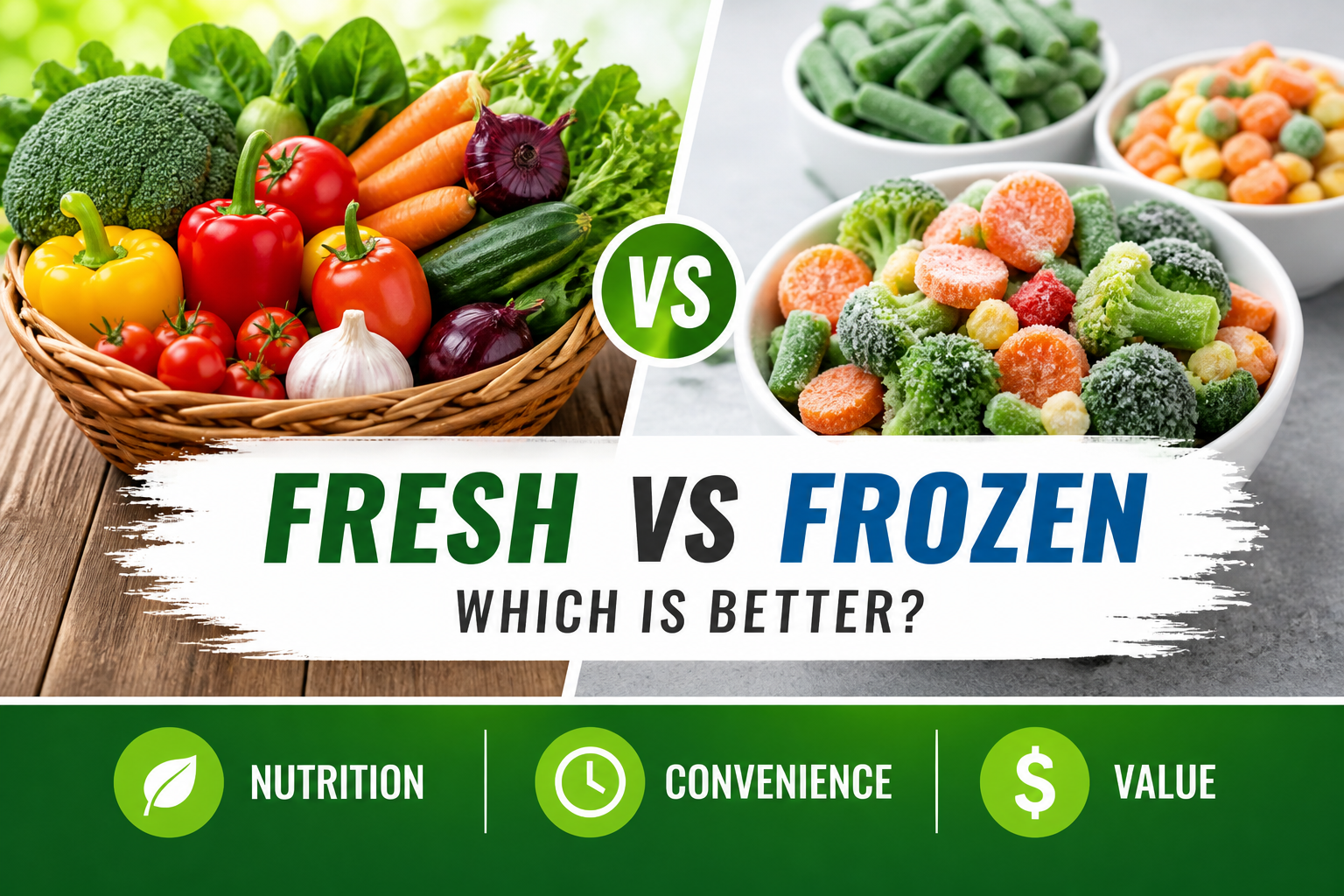
Nutritional Comparison
Fresh vegetables are packed with nutrients immediately after harvest. However, they may lose some vitamins during transportation and storage. Frozen vegetables are usually frozen quickly after harvest, which helps preserve their nutritional value.
This makes fresh vs frozen vegetables a fair comparison, as both can offer similar health benefits when consumed properly.
Which is Better for Health?
Both options are healthy. Fresh vegetables may require thorough washing, while frozen vegetables are often cleaned and processed under controlled conditions.
According to Healthline, frozen vegetables can retain most of their nutrients due to rapid freezing techniques.
Cost and Convenience
- Fresh vegetables are often cheaper during the season
- Frozen vegetables are available all year
- Frozen vegetables save time and effort
For busy households, frozen vegetables can be a practical solution.
Taste and Texture
Fresh vegetables usually provide better taste and texture, especially in salads. Frozen vegetables may become slightly soft after cooking but are still excellent for soups, curries, and stir-fries.
Food Waste and Storage
Fresh vegetables spoil faster, which can lead to waste. Frozen vegetables have a longer shelf life, making them a more sustainable option.
Are Frozen Vegetables Healthy?
Yes, frozen vegetables are healthy. They are typically frozen at peak ripeness, locking in essential nutrients.
Cooking Tips
To get the best results, cook vegetables lightly. Steaming is one of the best methods to retain nutrients for both fresh and frozen vegetables.
Benefits of Eating Vegetables Daily
Vegetables are rich in vitamins, minerals, fiber, and antioxidants. Regular consumption can improve digestion, boost immunity, and reduce the risk of chronic diseases.
They are also low in calories, making them ideal for maintaining a healthy weight.
Fresh vs Frozen Vegetables Comparison Table
| Factor | Fresh Vegetables | Frozen Vegetables |
|---|---|---|
| Nutrition | High (may decrease over time) | High (well preserved) |
| Convenience | Low | High |
| Cost | Seasonal | Stable |
| Shelf Life | Short | Long |
Fresh vs Frozen Vegetables: Which Should You Choose?
When thinking about fresh vs frozen vegetables, the best choice depends on your needs. Fresh vegetables are ideal for raw dishes and maximum flavor. Frozen vegetables are perfect for convenience and long-term storage.
Using both options together ensures that you always have access to healthy food.
Final Verdict
There is no clear winner in the fresh vs frozen vegetables debate. Both options offer valuable health benefits.
- Fresh vegetables are best for taste
- Frozen vegetables are best for convenience
Best approach: Include both in your daily meals for a balanced diet.
Related Article
Also read: Benefits of Fresh Vegetables
In conclusion, fresh vs frozen vegetables both play an important role in maintaining a healthy lifestyle. Choosing the right option depends on your routine, budget, and food preferences.
Fresh vs Frozen Vegetables: Smart Choice for Everyday Life
When comparing fresh vs frozen vegetables in everyday life, the best option often depends on your routine and needs. Fresh vegetables are perfect when you want maximum flavor and natural texture, especially for salads and fresh meals.
Frozen vegetables, however, provide a reliable and convenient solution for busy people. They are easy to store, quick to prepare, and available throughout the year. This makes fresh vs frozen vegetables a practical comparison for modern lifestyles.
In reality, combining both fresh and frozen vegetables is the smartest approach. It ensures that you always have access to healthy food without worrying about spoilage or time constraints.
Final Thoughts
Fresh vs frozen vegetables both offer valuable nutrition and health benefits. Instead of choosing one over the other, it is better to include both in your diet. This balance helps you maintain a healthy lifestyle while enjoying convenience and taste.